

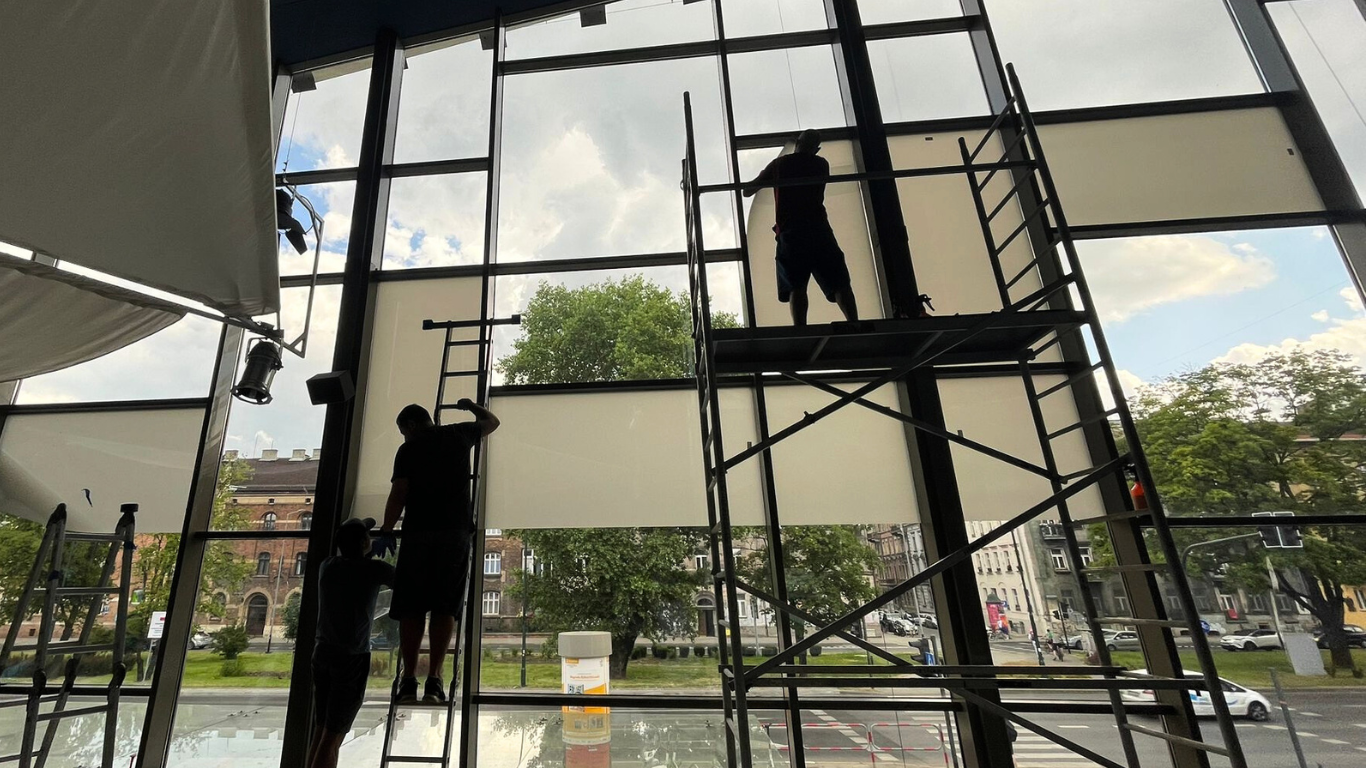
What does SONTE film installation look like? PDLC installation step by step
Contents
- What does SONTE film installation look like? PDLC installation step by step
Many investors, architects, and contractors see liquid crystal film installation as a simple finishing stage, something that is just applied to an already installed pane of glass. In practice, this is one of the most common oversimplifications, often leading to problems on site later on.
SONTE film is not a decorative add-on, but a system component that requires power, control, and properly planned wiring. As a result, its installation ultimately affects both the aesthetics and the organization of the entire space.
Why technical decisions need to be made earlier
The installation of SONTE film begins long before the actual fitting stage. The key lies in design decisions: where to route the power supply, how to run the cables, and how to plan the control system. If these aspects are not considered at the right stage, it can lead to rework, delays, or aesthetic compromises that could have been avoided.
In this article, we show what SONTE film installation looks like in practice, step by step, from preparing the glazing and planning the wiring, through film installation, to connection and performance testing.
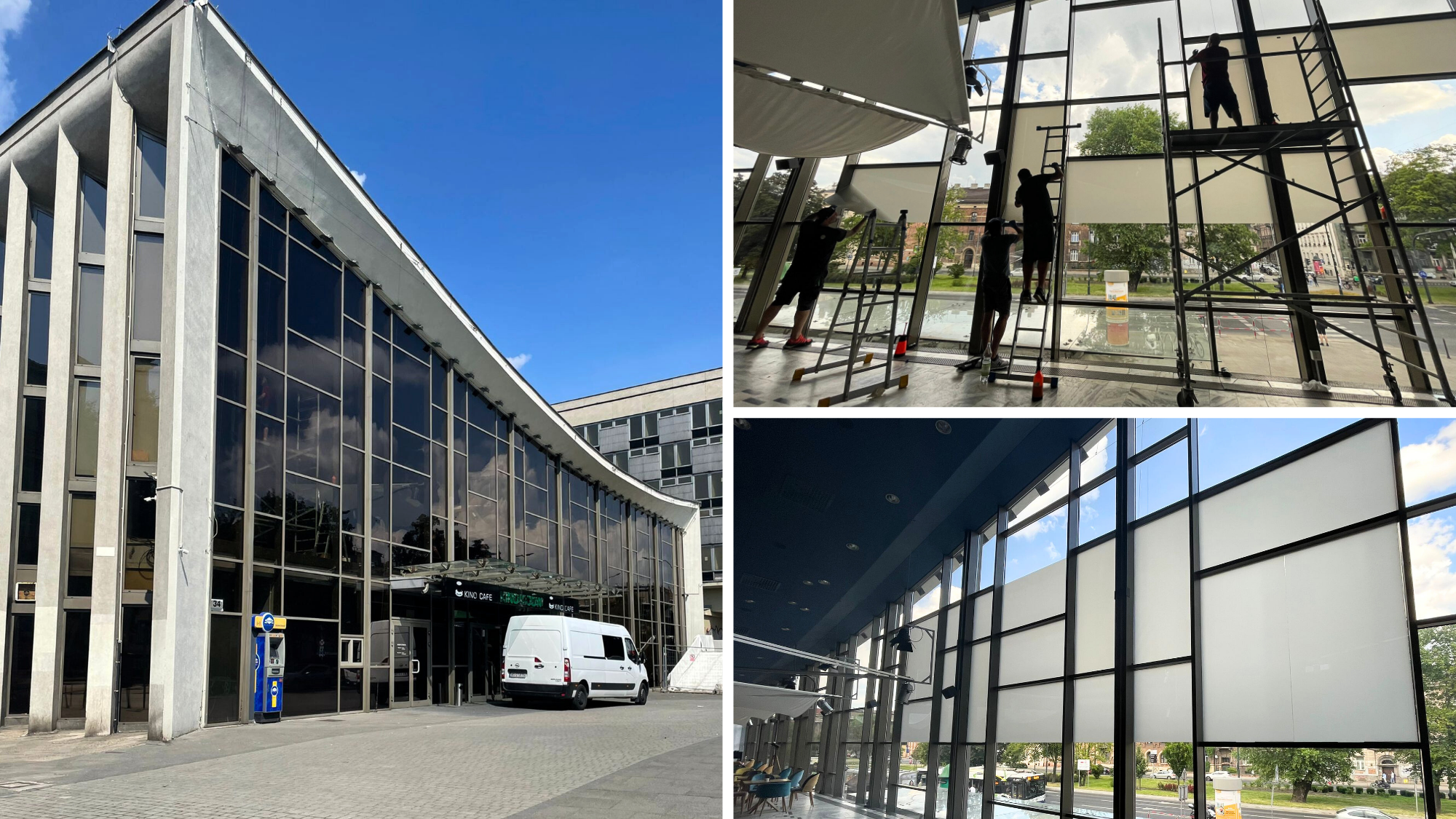
What needs to be planned before installation begins
Glazing – the starting point of the entire installation
Every SONTE film installation begins with an analysis of the glazing. Not only its dimensions matter, but also the type, mounting method, and access to the glass edges. These factors determine how the wiring will be routed and where an aesthetically clean power outlet can be created.
At this stage, it is also important to establish whether the film will be installed on existing glass (retrofit) or on new glazing prepared specifically for PDLC technology.
Power supply – where voltage needs to be provided
PDLC film requires a power supply, which is why the location for voltage access must be planned before installation begins. This can be within a wall, ceiling, floor, or system profile, the choice depends on the project and the partition structure.
Each SONTE film installation requires a power supply unit measuring approximately 25 × 15 × 5 cm, which can be concealed inside a wall, suspended ceiling, or technical cabinet.
The power supply is connected to a standard 230 V AC socket and then delivers the operating voltage of 45 V AC to the film.
A lack of a properly planned power supply point is one of the most common causes of delays and additional work on site. In practice, this often means wall chasing, modifications, or aesthetic compromises that could have easily been avoided.
Wiring – the route matters
Control – switch, remote, or system integration
Before installation begins, the control method for the film must be defined. This can be a simple wall switch, a remote control, or integration with the building’s existing control system.
This decision affects not only user comfort, but also the cable routing and the placement of technical components. The earlier it is made, the easier it is to plan the entire installation in a coherent and aesthetically clean way.
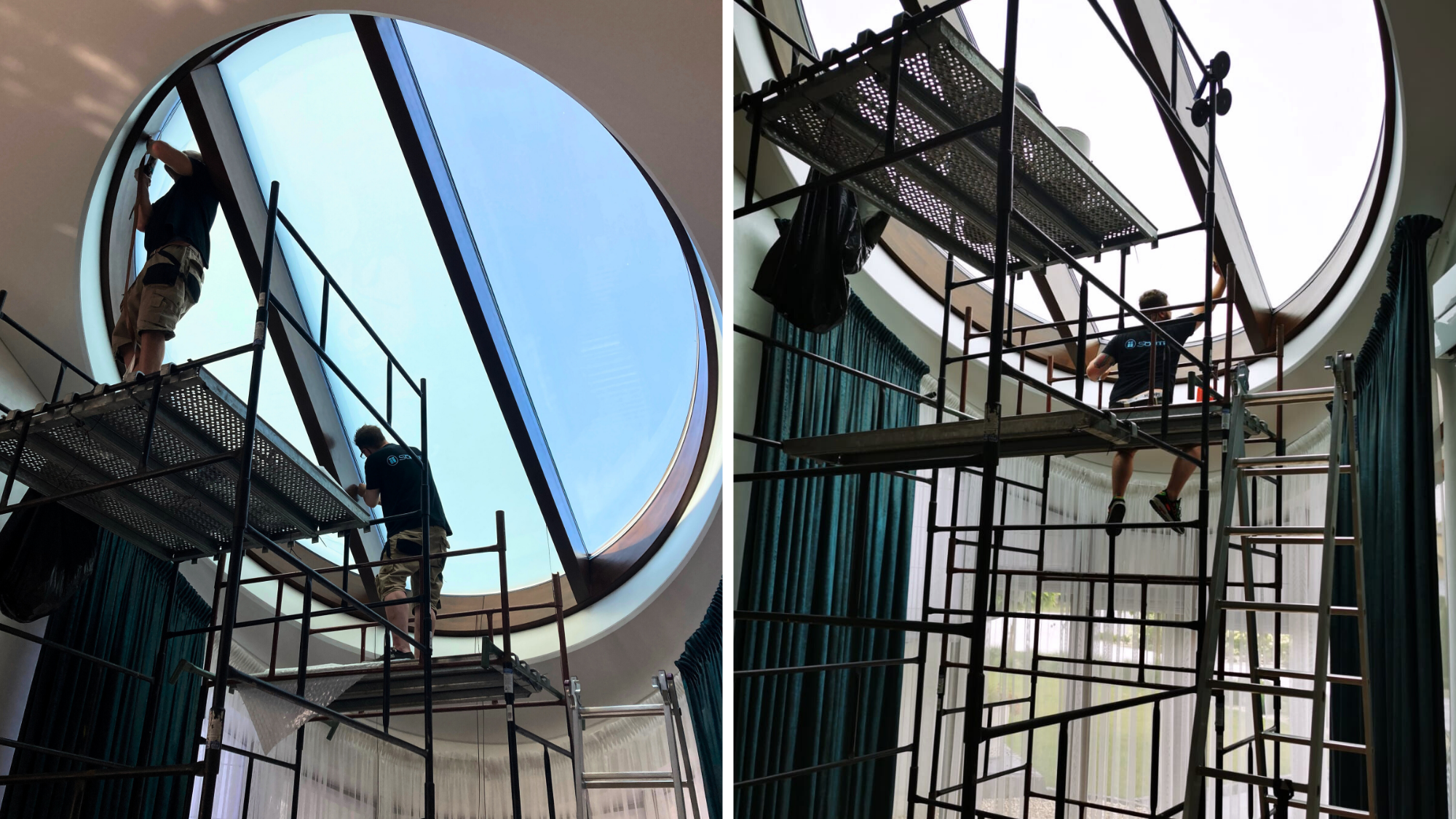
SONTE film installation – what it looks like in practice
SONTE film installation is carried out by a specialized SONTE team. We are responsible for preparing the glass, thoroughly cleaning and degreasing it, and verifying the surface condition. At this stage, the location of the wiring outlets is also checked to ensure it aligns with the previously planned route and allows for an aesthetically clean connection of the film.
Installation of SONTE film on existing glass (retrofit)
Installation of SONTE film on new glass – greater design possibilities
In new developments, SONTE film can be installed at the glass production stage. We work with partner glazing suppliers, which allows the glass to arrive on site with the film already applied.
This solution offers greater design flexibility and makes it possible to:
- better conceal technical components,
- optimize cable routing,
- shorten installation time on site.
Depending on the project, different glazing preparation options are available, each tailored individually to the specific requirements.
Connection and final testing
Once the film has been installed, it is connected to the previously prepared electrical system. The film operates on 45 V AC, supplied by a dedicated power unit concealed in the designated location (e.g., inside a wall, suspended ceiling, or technical cabinet).
Finally, we verify that the entire system is functioning properly. The client has the opportunity to raise any remarks, and after their review, the handover protocol is signed. Each installation is covered by a 40-month warranty, with the option to extend it to 60 months.
SONTE solutions for demanding projects
Doors, sliding systems, and non-standard glazing
Standards, public buildings, and technological development
SONTE solutions comply with fire safety standards, which allows them to be used in public buildings such as offices, commercial facilities, and healthcare institutions. This gives architects greater design flexibility and formal assurance at the implementation stage.
Behind these solutions stands SONTE’s R&D department, continuously developing the technology and adapting it to new applications. If a project requires a non-standard approach, we analyze it and work together to develop a tailored solution often where ready-made schemes simply are not enough.
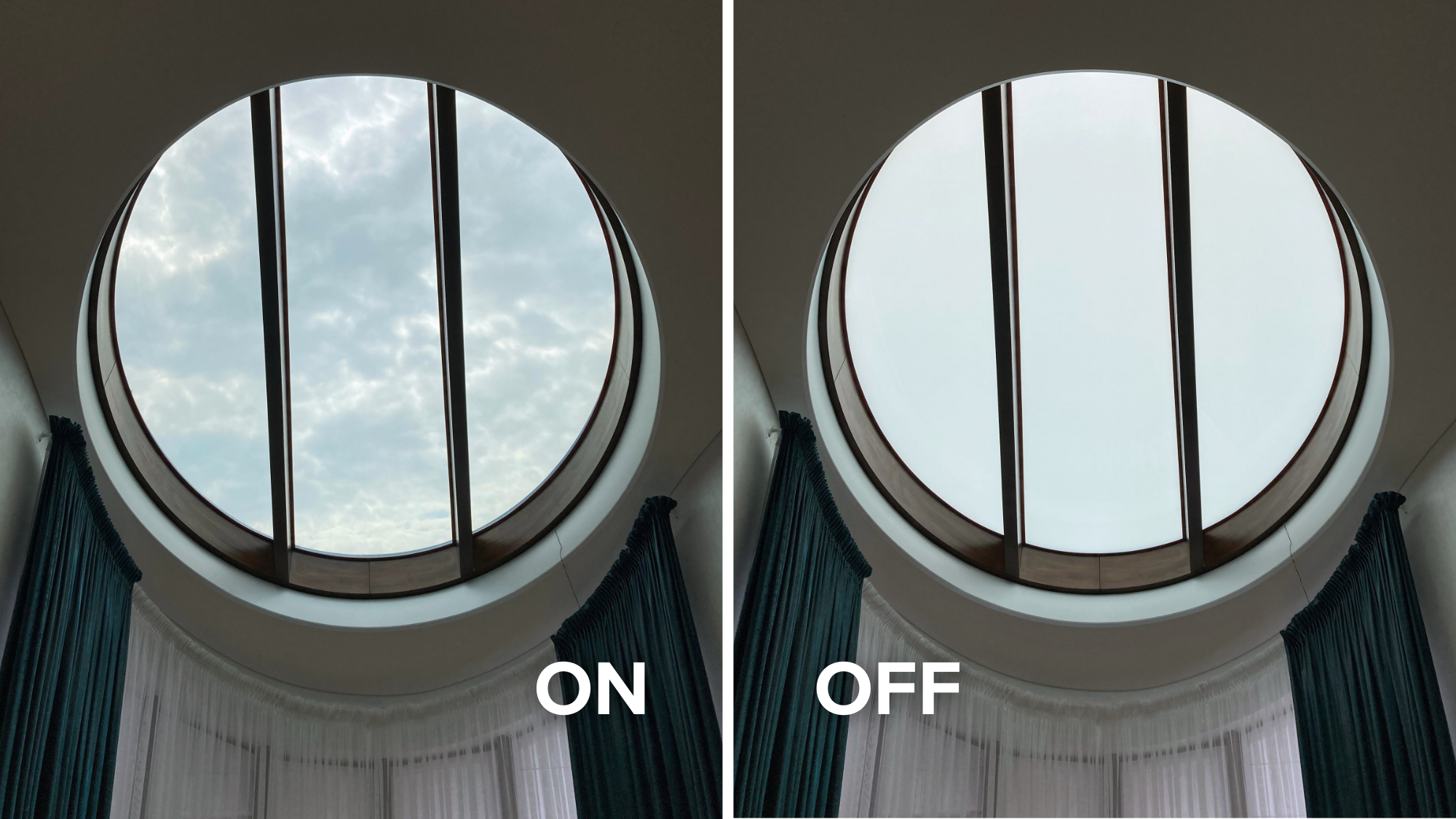
Checklist: what to plan before installing SONTE film
Before installing PDLC film, make sure that:
- a 230 V power supply is available (socket located in the designated position),
- the power cable for the film has been prepared in accordance with the design,
- space has been allocated for the power supply unit (e.g., wall, ceiling, built-in cabinet),
- all dust-generating works have been completed,
- the installation area is clean and ready for work.
Meeting these conditions ensures a smooth, aesthetically clean installation without unnecessary interruptions.
FAQ about SONTE film installation
1. Do I need to prepare the glass before installation?
No. The SONTE team is responsible for preparing the glass, cleaning it, and installing the film.
2. Does the installation require a special electrical system?
No. The SONTE system uses a standard 230 V power supply, and the film is powered via a dedicated power unit.
3. Can SONTE film be installed on doors?
Yes. We offer solutions for all-glass doors, including sliding doors, each designed individually for the specific system.
4. Can SONTE technology be used in public buildings?
Yes. SONTE solutions comply with fire safety standards, which allows them to be used in public buildings.
5. What if the project is non-standard?
We have completed many non-standard projects involving unusual glazing, doors, and technical requirements. Each case is analyzed individually, and we propose a solution tailored to the specific project.
Would you like to implement SONTE film in your project? Contact us and we will recommend the best solution.
What’s next?
After installation is complete, the support you receive afterwards is just as important as the installation itself. That is why the next step is to understand what the warranty covers and what service looks like in practice.
👉 Warranty and service for PDLC film: what support after installation really includes
Want to implement SONTE film in your project? Get in touch with us and we will recommend the best solution.